
The commercial construction industry is one of the most complex and opportunity-driven sectors in the building market. Anyone aiming to start and succeed in the commercial construction industry must understand that this field goes far beyond basic construction skills. It requires strategic planning, financial discipline, regulatory compliance, and strong operational systems.
Commercial construction projects include office buildings, retail centers, warehouses, medical facilities, and industrial structures. These projects demand higher budgets, longer timelines, and stricter legal oversight than residential construction. Contractors who fail to prepare for this reality usually exit the market early.
Businesses looking to expand often rely on experienced professionals offering commercial construction services
What Defines Commercial Construction Projects
Commercial construction focuses on non-residential structures designed for business, industrial, or public use. These projects typically involve:
- Multiple stakeholders and inspections
- Detailed architectural and engineering plans
- Strict zoning and building code compliance
- Contractual penalties for delays
This is why professional contractors invest heavily in planning and documentation before breaking ground.
According to the U.S. Small Business Administration, construction businesses that prioritize compliance, planning, and financial management are significantly more likely to remain profitable long-term.
What Defines Commercial Construction Projects
The commercial construction sector continues to grow due to:
- Urban development
- Infrastructure investment
- Business expansion
- Logistics and industrial demand
However, profitability depends on execution. Poor estimating, weak contracts, and cash-flow mismanagement can erase profits quickly. Successful companies rely on structured bidding, reliable subcontractors, and disciplined project oversight.Many established firms explain these advantages clearly on their commercial project portfolio or about us pages to build credibility with clients.
Commercial vs Residential Construction: Critical Differences
This is where most beginners fail to adjust:
- Scale: Larger crews, equipment, and timelines
- Codes: Commercial safety and fire regulations
- Contracts: Legal complexity and liability clauses
- Risk: Higher exposure if compliance is ignored
If you approach commercial construction like residential work, you’ll lose money—fast.
Safety and Compliance Are Mandatory
Commercial job sites must comply with OSHA standards, including worker safety training, equipment regulations, and site inspections. Non-compliance leads to heavy fines, legal action, and business shutdowns.
How to Start and Succeed in the Commercial Construction Industry
Before taking on any commercial construction project, getting your legal and operational foundation right is critical. Many contractors fail—not because they lack skills but because they ignore licensing, insurance, and compliance requirements. In commercial construction, these are non-negotiable.
Choosing the Right Business Structure
The first step is registering your construction business legally. Most commercial contractors operate as an LLC or Corporation because these structures:
- Limit personal liability
- Improve credibility with commercial clients
- Make it easier to secure contracts and financing
If you’re operating in the United States, the U.S. Small Business Administration (SBA) provides official guidance on business registration, taxes, and compliance. Established construction firms typically highlight their business credentials on their About Us or Company
Commercial Construction Licensing Requirements
Licensing requirements vary by state and municipality, but most commercial contractors must obtain:
- A General Contractor License
- Trade-specific licenses (if applicable)
- Local city or county permits
Operating without proper licensing can result in fines, project shutdowns, or permanent license suspension.To verify state and local licensing requirements, use the official government resource:
Insurance and Bonding: Mandatory for Commercial Projects
Commercial clients will not award contracts unless you carry proper insurance and bonding. At a minimum, you should have:
- General liability insurance
- Workers’ compensation insurance
- Performance and payment bonds
Bonding is especially important for government and large-scale commercial projects, as it guarantees project completion and subcontractor payment.For a detailed breakdown of construction insurance requirements.Most successful companies emphasize their insurance coverage on Commercial Construction Services
Realistic Startup Costs You Must Plan For
Commercial construction requires serious capital. Common startup costs include:
- Licensing and permit fees
- Insurance and bonding premiums
- Equipment and machinery
- Office setup and project management software
- Skilled labor and subcontractor retainers
Underestimating startup costs is one of the fastest ways to fail in this industry.
Building Code and Regulatory Compliance
Commercial buildings must comply with strict regulations, including:
- Fire and safety codes
- Structural engineering standards
- Energy efficiency requirements
- ADA accessibility laws
Failure to comply can lead to penalties, lawsuits, and reputational damage.For official workplace safety and compliance standards, consult OSHA
Licensing, Legal Requirements, and Setup for Commercial Contractors
Once your licenses, insurance, and legal setup are in place, the real challenge begins—winning commercial contracts and executing projects profitably. Many contractors enter the market but fail to secure consistent work because they don’t understand how commercial clients select contractors.
How Commercial Construction Contracts Are Awarded
Commercial projects are typically awarded through:
- Competitive bidding
- Requests for Proposals (RFPs)
- Direct negotiations with developers or property owners
Unlike residential work, pricing alone does not win commercial contracts. Clients evaluate experience, safety records, financial stability, and past performance.
Creating Competitive and Profitable Bids
Accurate estimating is critical. Underbidding may win a project but destroy your profit margins. Overbidding will eliminate you from consideration.
A strong commercial bid includes:
- Detailed cost breakdowns
- Labor and material estimates
- Timeline and milestones
- Risk assessment and contingencies
Using professional estimating and project management software helps reduce errors and improve accuracy.For best practices in construction bidding and estimating
Understanding Commercial Construction Contracts
Commercial contracts are legally binding documents that define:
- Scope of work
- Payment schedules
- Change order procedures
- Delay penalties
- Warranty obligations
Never sign a contract without legal review. A single unfavorable clause can wipe out your profit.Experienced firms often explain their process clearly on their Commercial Construction.
Subcontractor Selection and Management
Commercial projects depend heavily on subcontractors. Poor subcontractor management leads to delays, safety issues, and cost overruns.
Best practices include:
- Vetting subcontractor licenses and insurance
- Clear scope definitions
- Written agreements and timelines
- Regular site inspections and progress reviews
Maintaining long-term relationships with reliable subcontractors improves efficiency and project outcomes.
Project Execution and On-Site Management
Execution is where reputations are made or destroyed. Successful contractors focus on:
- Strict schedule management
- Daily site supervision
- Quality control inspections
- Safety enforcement
OSHA compliance and site safety are not optional. Violations can shut down projects and damage credibility.
Managing Cash Flow During Projects
Commercial projects often involve delayed payments. Without proper cash flow planning, even profitable jobs can strain your business.
Smart contractors:
- Negotiate milestone-based payments
- Track expenses weekly
- Maintain financial reserves
Scaling, Marketing, and Long-Term Success in Commercial Construction
Starting a commercial construction business is difficult but sustaining and scaling it is where most contractors fail. Growth without systems leads to cash-flow issues, quality problems, and reputation damage. To truly succeed in the commercial construction industry, you must think beyond individual projects and focus on long-term business strategy.
Building a Strong Commercial Construction Brand
In commercial construction, trust and credibility sell projects, not just pricing. Developers, corporations, and property managers prefer contractors with a proven track record and professional brand presence.
Key elements of a strong brand include:
- A professional website showcasing commercial services
- Detailed project portfolios and case studies
- Clear licensing, insurance, and safety credentials
- Consistent messaging across all platforms
Most established firms highlight their expertise on a Commercial Construction to position themselves as industry specialists.
Marketing Strategies That Actually Work
Commercial construction marketing is not about social media hype. It’s about visibility where decision-makers look.
Effective strategies include:
- SEO-optimized service and location pages
- Google Business Profile optimization
- Networking with developers and architects
- Partnerships with property management firms
- Government and private bid platforms
According to industry insights from Construction Executive, contractors who invest in digital marketing and relationship-based sales consistently outperform competitors.
Client Relationships and Repeat Business
One-time projects won’t scale your business. Repeat clients will.
Successful commercial contractors:
- Deliver projects on time and within budget
- Communicate clearly throughout the project
- Handle change orders professionally
- Stand behind their work with warranties
Long-term relationships with developers and facility managers reduce bidding competition and stabilize revenue.
Scaling Operations Without Losing Control
Growth must be intentional. Scaling too fast without systems leads to failure.
Smart scaling strategies include:
- Hiring experienced project managers
- Standardizing estimating and bidding processes
- Using construction management software
- Expanding service offerings gradually
Companies that scale successfully often document their process on About Us or Our Process pages to show professionalism and structure.
Managing Risk and Protecting Profit Margins
As projects grow, so do risks. Successful contractors actively manage:
- Contract clauses and legal exposure
- Safety compliance and training
- Financial forecasting and reserves
- Subcontractor performance
Ignoring risk management can destroy years of progress in one bad project.
For construction risk and compliance best practices, refer to OSHA guidelines:
Common Mistakes That Kill Commercial Construction Businesses
Avoid these costly errors:
- Underbidding to win contracts
- Poor cash-flow planning
- Ignoring legal review of contracts
- Weak subcontractor oversight
- Expanding too fast without capital
Longevity in commercial construction depends on discipline, not shortcuts.
Final Thoughts
Learning how to start and succeed in the commercial construction industry requires more than construction skills. It demands legal knowledge, financial control, operational systems, and long-term vision. Contractors who invest in compliance, relationships, and scalable processes are the ones who dominate the market not just survive it.
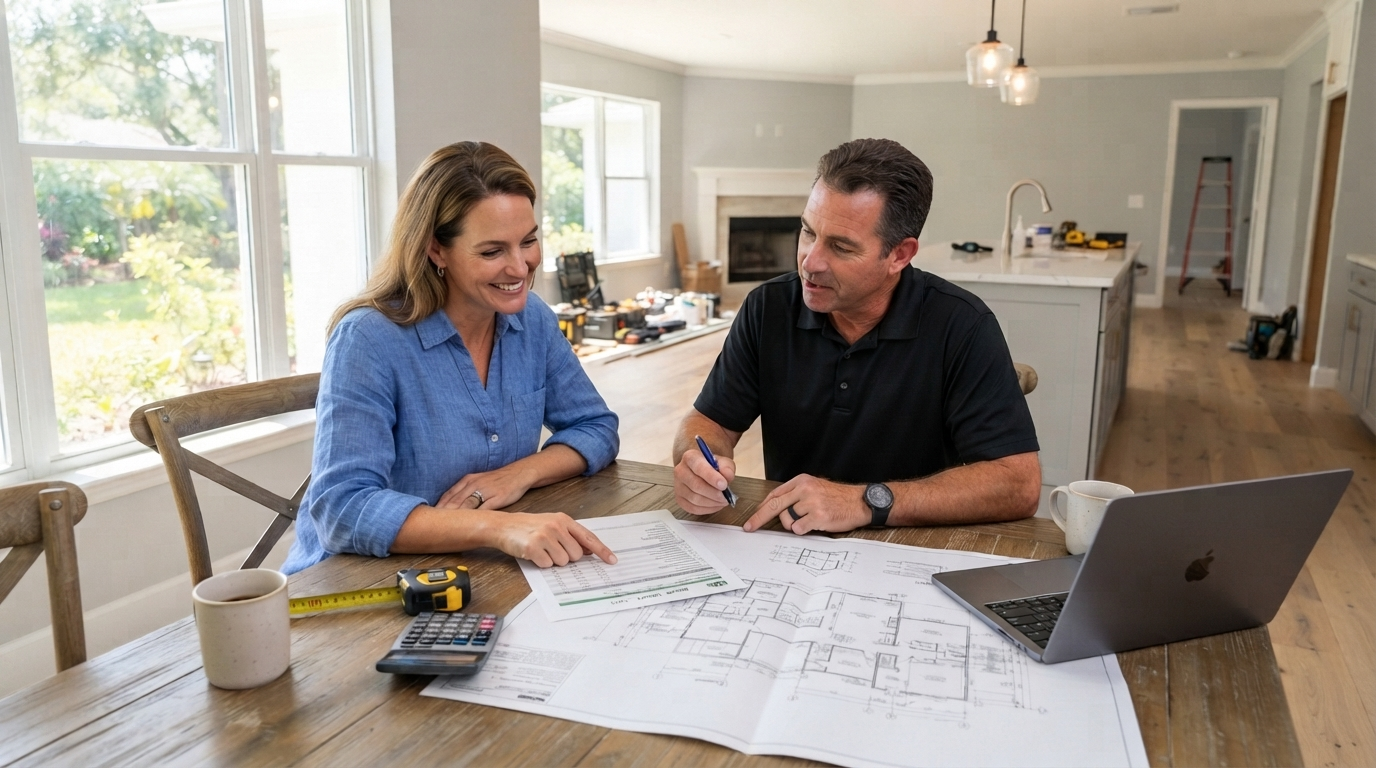
Quality Home Renovations Spring Hill With Lasting Results
Home Renovations Spring Hill projects give local homeowners a practical way to update aging spaces, fix functional problems, and prepare a property for years of comfortable living. Whether you own a starter home near Downtown Spring Hill or a larger property closer to Thompson Station, a well-planned renovation can solve real problems such as outdated wiring, cramped kitchens, […]
Read More… from Quality Home Renovations Spring Hill With Lasting Results
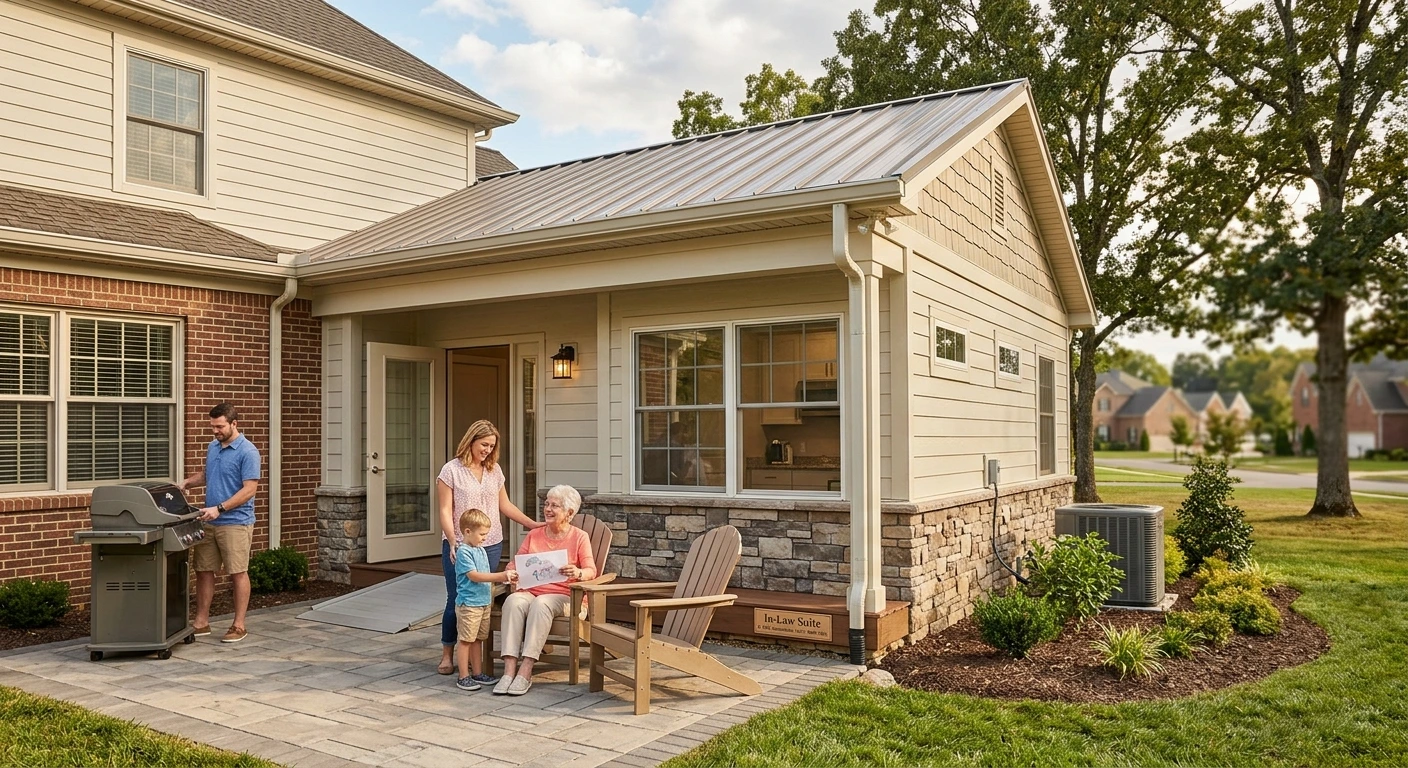
Adding an In-Law Suite in Spring Hill, TN: Costs, Permits, and ROI
Spring Hill has rapidly transformed into the premier hub for growing families in Middle Tennessee. As more families relocate to the area, a significant trend has emerged: multi-generational living. Whether you are bringing aging parents closer to home or providing a private space for returning adult children, home additions Spring Hill TN are the most […]
Read More… from Adding an In-Law Suite in Spring Hill, TN: Costs, Permits, and ROI

The True Cost of Building an Outdoor Kitchen & Covered Patio in Middle TN (2026)
As the Tennessee heat begins to settle over the Maury County landscape, homeowners are looking for ways to reclaim their backyards. If you are searching for a reliable outdoor kitchen contractor Columbia TN, you already know that a simple charcoal grill and a folding chair no longer cut it. In 2026, the trend has shifted […]
Read More… from The True Cost of Building an Outdoor Kitchen & Covered Patio in Middle TN (2026)